Best Ways Machine-Human Collaboration Can Foster Innovation in Workplace

Indeed helps the right candidates find you with Sponsored Jobs
Learn moreThe eternal debate surrounding machine vs. human has lost some of its shine in recent times. Top organisations are increasingly turning towards high-end technology to fulfil their business processes, not by replacing their top talent but by harnessing the latest technology to assist their employees. This has resulted in a strong partnership.
We live in an age where humans are literally exposed to a world of opportunities, thanks to the innovative technology that thrives around us today. In these transformational times, driven by innovative AI and XR technologies, companies should embrace the concept of machine-human collaboration at the earliest in order to stay relevant.
Here are some ways in which companies can look up to exciting technologies to boost innovation, productivity and employee well-being in the workplace.
Boosting Collaboration:
Workplace collaboration has numerous benefits. However, it is a continuous process that requires constant nourishment from the team members. This may not always be possible in light of the huge workload and tight deadlines that require attention. AI offers the perfect catalyst in this endeavour to boost collaboration and give opportunities to employees to enhance their interpersonal skills. According to a study, a whopping 83% of employees already rely on technology for collaboration. By offloading routine tasks to AI-driven machines, employees can focus on building better rapport with their peers and indulge in brainstorming sessions for improved work outcomes.
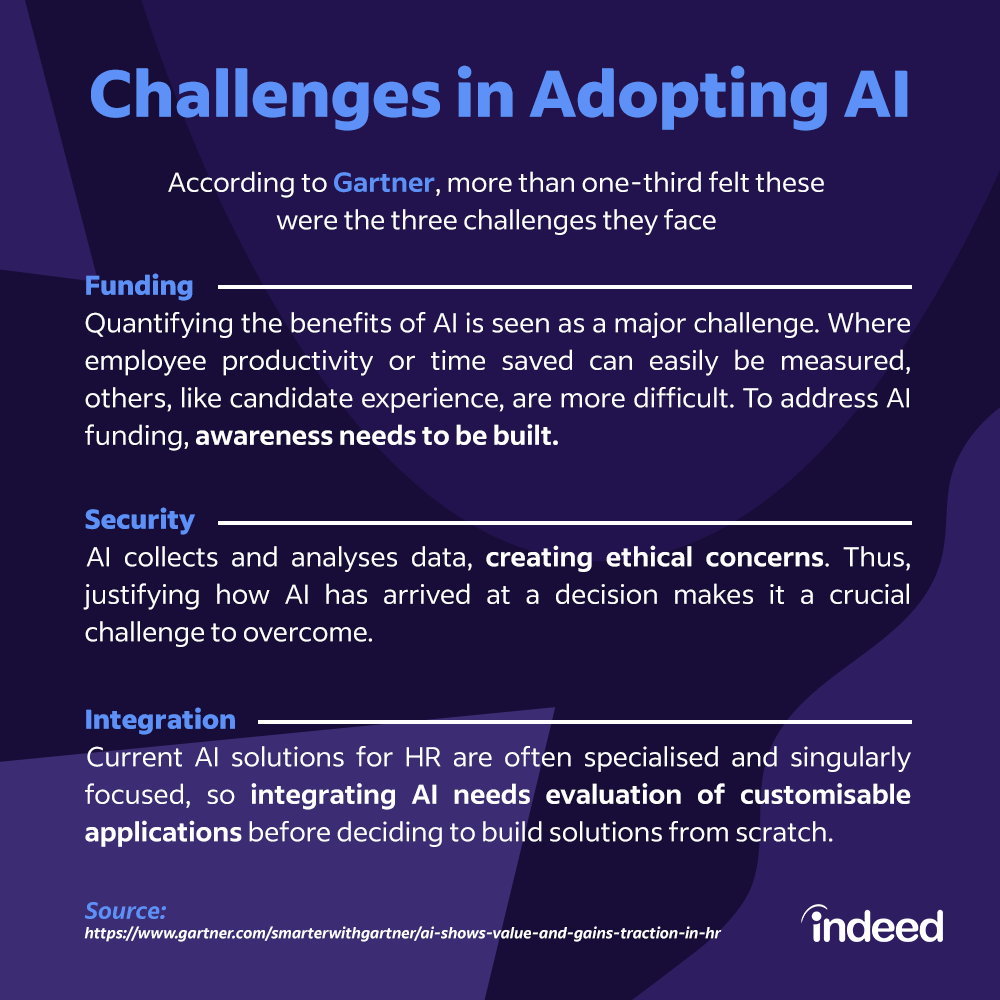
Boosting Productivity:
The latest technology around us comes inbuilt with a huge capacity to transform business processes in several ways. It is helping businesses scale operations thanks to its agile flexibility, critical speed and highly personalised approach. For example, AI assists businesses in predicting user behaviour and providing personalised recommendations to potential customers, which leads to better chances of sales. According to Forbes, 73% of consumers prefer to do business with brands that consider their personal preferences. Technology has paved the way for businesses to understand human preferences and suggest desired products and services based on past user behaviour and not on assumptions. This has tremendously increased employees’ productivity as they have fruitful data sets to rely on and make informed decisions.
Improved Training:
As the Covid-19 pandemic hit the globe, the need for providing improved means of training in a virtual setting came riding. This need is rightly fulfilled by AI and XR (Extended Reality) technologies, which combine the best of both real and virtual worlds and create immersive virtual set-ups to provide essential on-the-job training without having employees move at all. Employees can also revisit important training simulations from anywhere, giving them the leeway to go back and repeat the training for better retention. Unlike traditional training sessions, which are costly and time-consuming, XR training eliminates the need for face-to-face contact, a boon during the pandemic. A real use case of virtual training could be a construction company that helps train its employees to operate cranes virtually without actually putting them in physical danger. This type of training provides hands-on experience by recreating a real-world environment, with the benefit of eliminating the need for time and money, which otherwise gets wasted.
Automating Tasks:
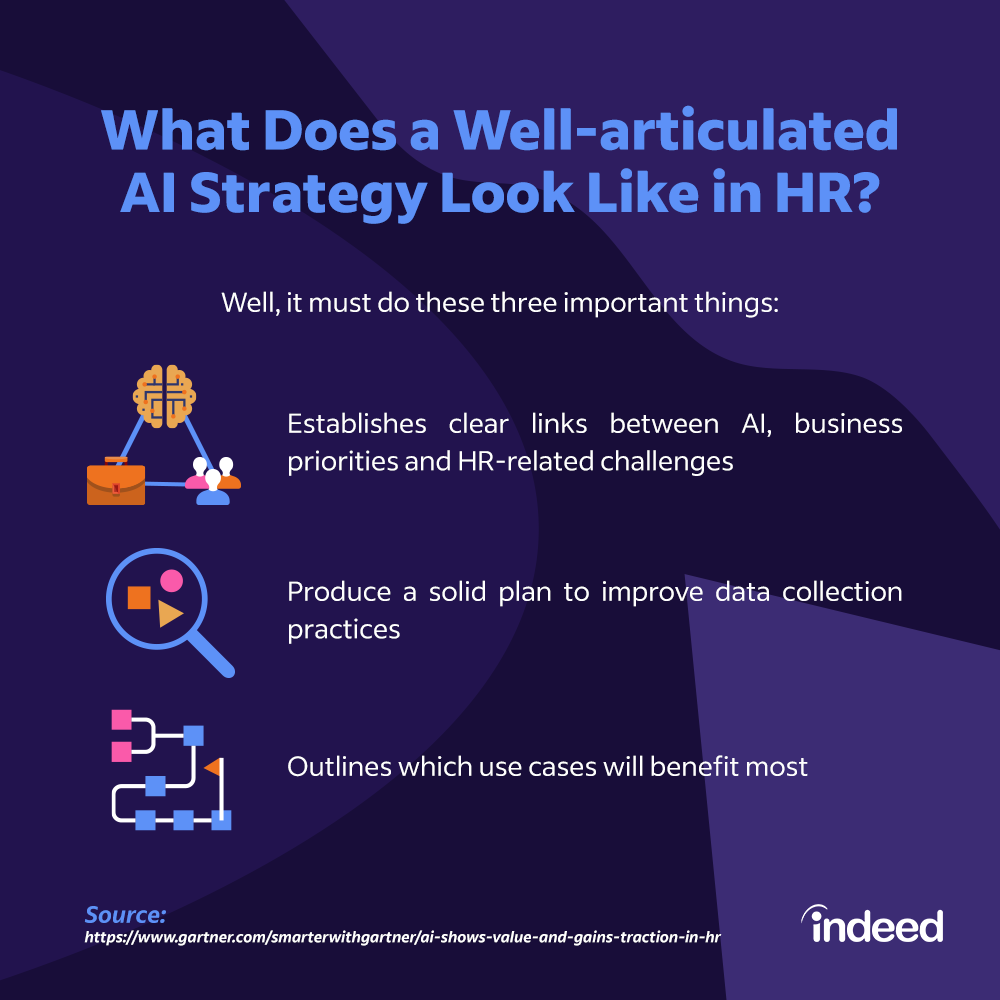
There are varied ways through which advanced technology is being put to use in modern offices, such as speech recognition through voice assistants, visual perception using biometrics, translation between different languages, etc. Slack is a great example that has leveraged AI technology and is helping employees flag only important messages to be read using machine-learning tricks.
Similarly, taking notes during a meeting can prove cumbersome and lead to unnecessary attention leaks, which can simply be assigned to a virtual assistant, who will not only record everything word-to-word but also send it straight to your inbox for later reference.
AI and other technologies available at our disposal have presented chances of freeing up the much important human capital within organisations. Fruitful machine-human collaboration is our best bet in the workplaces of 2022 and beyond to create an environment of innovation and improved work culture. Imagining a workplace sans technology is not only far from reality but is entirely impossible.
Indeed helps the right candidates find you with Sponsored Jobs
Learn more
Ready to get started?
Get insights and inspiration for the modern world of work
We’ll be in touch soon with the insights you need to lead a thriving workforce.
In the meantime, prepare for changes in the hiring landscape with the latest labour market trends.
Submit

