Overcoming a spike in turnovers: what to do when retention rates drop

While your business has felt at least some of the hiring ups and downs surrounding the pandemic, things have recently shifted. Suddenly, it feels like you are struggling to retain talent—existing and new hires.
Employee turnover is a reality, especially in the current jobseeker-centric, post-pandemic landscape. India is going through a “Great Attrition”. 60% of the Indian working population is actively searching for a job, and employee attrition rates rose to 21% in 2021. Already, employers are at a disadvantage. But without the right employer branding, businesses may experience even more severe turnover.
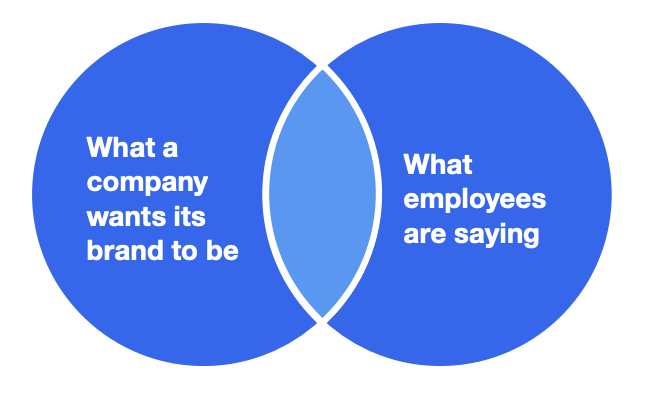
Beyond just “Great Attrition”-inspired turnover, retention-related issues may relate directly back to misaligned or inauthentic employer branding—if employees are not experiencing what you are promoting, you could experience a pronounced dip in job post traffic, qualified candidate applications, and retention.
Indeed helps the right candidates find you with Sponsored Jobs
Learn moreCreating—and maintaining—a positive employer brand
For many organisations experiencing significant retention challenges, exploring potential employer branding gaps is a good place to start.
Employer branding centers on employee experience—that employee feedback and reviews are the most accurate representation of an employer brand. This, then, tends to drive the search process: Accordingly to Indeed’s data, 81%1 of jobseekers say they research reviews and ratings before applying for a job and 73%2 say that reading reviews about negative candidate experiences would deter them from applying to a job at that company. It is clear from this that employer branding matters—especially now. As per a recent study by Morning Consult, Indian professionals are looking for new and different types of work, with 59% of them actively searching for a job. Employer branding will help companies immensely in generating the kind of interest they want from these prospective jobseekers.
Achieving that all-important “excellent” employer brand takes deliberate, decisive, consistent action and commitment. Organisations must:
#1. LISTEN
Tuning into current sentiment with an eye on not just hearing it but truly understanding what employees have to say and why. From here, you will have a better perspective on your employer brand and what’s standing between you and an “excellent” reputation. Once you have zeroed in on overarching internal sentiment you will also be better equipped to spot perceived gaps between your employer promise and employee experience.
#2. REACH
With a better-aligned employer story, the next step is to promote your brand to jobseekers. By encouraging talent to learn more about your culture and values, you will build a stronger reputation and increase candidate consideration.
#3. INFLUENCE
Likewise, by bridging the gap between your employer story and employee experience, you will create a more positive, proactive, and enticing environment for individuals. That will, likely, enhance employee feedback and public-facing reviews—the first place many jobseekers turn when considering career next steps.
Granted, employer branding tends to be somewhat fluid. Market conditions may change, leadership shifts, companies merge, and other major forces have the potential to disrupt even the most consistent employee messaging.
These organisations and others like them continued to listen to employees’ right-now needs, shifting perks, benefits, and even pay. This, then, organically created added reach—internal and external messaging surrounding these added benefits designed to keep employees and their families safe and secure.
What comes next: Turning insights into action
Employees feel they were promised a specific culture—a culture of innovation, for example, flexibility, creativity, community, or career growth—and that’s inconsistent with their experiences. By understanding this, you can work to improve your employee experience so it better aligns—and, with that, curb turnover among new hires and overall, boost retention. This can have a significant bottom-line impact.
The turnover ripple effect
That is just one consideration. Losing an employee can have a significant impact on team morale, training discrepancies and customer relationships. This, then, can drive increased dissatisfaction, employee reviews, and future turnover.
It is not just recent employees exiting. If companies fail to adjust and evolve employer branding, you may see an increase in longer-term hires exiting the company. For these employees, the current environment no longer mirrors what drew them to the company in the first place. In some cases, it is a natural evolution. In other cases, this departure is so significant—and so counter to an employee’s wants, needs and goals—that they opt to leave.
And of course, it can also lead to negative word of mouth and reviews on your employer branding pages, damaging your efforts to attract new talent.
Identify and bridge the employer branding gaps
Spend time talking to new hires and longer-term talent and encourage open, honest communication and feedback—and be prepared to listen. If and when gaps exist between those outward promises and the existing environment, aim to patch them—or, at the very least, to align your employer messaging to be better synched with the authentic employee experience.
Those organisations that deliver on their employer branding promises are well-positioned to curb turnover and create long-term value for both employees and the business as a whole.
From there, look for opportunities to better connect employees to your business. When it comes to job satisfaction, well-being is at the centre of employee experience. Finding ways to drum up that sense of connection and pride can go a long way in terms of retention and employee satisfaction. According to a recent study by Salesforce, 80% of the IT leaders in India, cited that quality of technology has a major role to play when we talk about employee engagement. However, 52% do not even consider it important to value employee experience while selecting a technology.The most interesting revelation comes from the fact that a workplace that supports remote working is 3 times more likely to be recommended by an employee to their friends.
Give employees a way to feel like they are contributing to the greater good while finding purpose and meaning in their everyday work life. Pride directly impacts employer branding—not only are employees proud to share their experiences but when promoted via social media, company platforms, and PR initiatives it helps project the positive, proactive organisation you are—an organisation top talent wants to seek out.
Next steps: Assessing your employer branding wins and real-time hurdles
In an increasingly competitive, job seeker-first market, reputation matters. Today, it is essential organisations focus on their employer brand and, specifically, promoting a dynamic, authentic story that resonates with both prospective and current employees. From there, it is critical companies invite jobseekers in via social media previews, employee reviews and continued messaging surrounding their employer promises.
Reputation Matters
82% of jobseekers in India agree that it has a significant impact on their decision of whether or not to accept a job offer.
Source: Indeed survey, n=500
With compelling, authentic employer branding that syncs with your employee experience, you will see a decrease in recruiting costs and time-to-hire as well as talent and employee engagement and retention. Likewise, you will be cultivating a community of not just successful employees but influential internal advocates—people who are more likely to recommend candidates, post positive reviews, and commit to their role and to the business for the long term. This is an ideal outcome that boosts recruitment, loyalty and retention.
1 Indeed survey, n=500
2 Indeed survey, n=500
Indeed helps the right candidates find you with Sponsored Jobs
Learn more
Ready to get started?
Get insights and inspiration for the modern world of work
We’ll be in touch soon with the insights you need to lead a thriving workforce.
In the meantime, prepare for changes in the hiring landscape with the latest labour market trends.
Submit

